 When my publisher asked me to write a book encapsulating everything about living a hope-filled life, I was thrilled and terrified at the same time. Thrilled to be sharing my ideas but terrified that by opening up, I would be forced to navigate deeper levels of my understandings of anxiety. Why poke the sleeping bear?
As an adult, I’ve struggled with being enough. Overachievement and the need for approval have always driven me, often to the high end of anxiety and, when I was younger, to depression. Like many others, I have had lots of counselling to help pinpoint where my anxiety started, and this exploration has helped me to live a life of curiosity, love and passion. That’s why I decided that The Book of Hope – Antidote for Anxiety would be a handbook based on what I’ve learned about handling the ups and downs in life.
The book was published in February 2020. Little did I know when I was writing it, that the looming worldwide pandemic would turn our lives upside down.
Over 2 million Australians suffer from anxiety. Research suggests that 45% of Australians are expected to experience some form of mental health issue in their lifetime. These staggering numbers are growing in our 21st-century living. When we add the level of anxiety and stress created by COVID-19 there seems little opportunity for peace.
We are becoming increasingly anxious, frightened, depressed, and overwhelmed, but let’s not kid ourselves; we were already anxious, frightened, depressed, and overwhelmed before COVID-19.
Human evolution relied on fear as a critical response to physical threat, our in-built mechanism of fight-flight-freeze is how we survived as a species. If we didn’t feel fear, we couldn’t protect ourselves. But now our survival-based fear has evolved into overwhelming anxiety, which we accommodate by soothing, avoiding, or numbing it down.
What kept our ancestors alive is killing us slowly.
Our ancestors were able to put aside their anxiety, to rest until the next battle or event. Our fast-paced technology, TV, social media, and texting drives us to feel like we are never quite free of pressure. Anxiety has become our new normal, and high levels of anxiety can smother hope in a heartbeat.
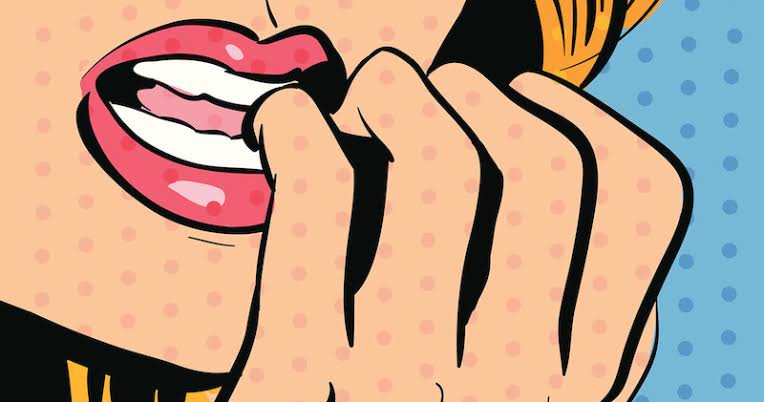
Recognizing anxiety is the first step. Identify when cortisol and adrenaline are activated; when our mind starts to race, hands tremble or there’s a shaking sensation in the chest. When you feel anxiety, sit quietly and breathe into that feeling, resist attaching a story of ‘why’, ‘how’ and ‘who’ to the feeling. Don’t argue with yourself about it; don’t try to blame, shame, or guilt the feeling away. That’s never worked. Identify the anxiety as early as possible and breathe through it until it lets go of you.
A pioneer of dealing with anxiety Dr. Claire Weekes wrote, “To recover, we must know how to face and accept panic; to go through panic until it no longer matters … Recovery is in our own hands, not in drugs, not in the avoidance of panic, not in ‘getting used to’ difficult situations. Permanent recovery lies in the patient’s ability to know how to accept the panic until they no longer fear it.”
We may not be able to control the outer circumstances of our lives. However, by identifying and taking notice of what’s happening within, we can develop resistance by taking small moments of mindfulness, awareness, and being in the current moment.
My definition of hope is optimism in action. Hope won’t stop the challenging things from happening, it just helps us to understand that they are transitory.
We need to create new neural pathways in our brain – those stimulated by gratitude, kindness, optimism, cheerfulness, buoyancy, and hope. When we think more hopeful thoughts, our bodies release dopamine and serotonin, two types of neurotransmitters that relax the nervous system. Both of these chemicals are linked with happiness.
Stop constantly accessing the news or having it on as background noise; at least take it down a couple of notches. Being hammered with the same event over and over again is not healthy.
Spend time in the outdoors, read more, meditate, experience art, literature and music, these are the things that nurture our hearts and make us more peaceful and wise.
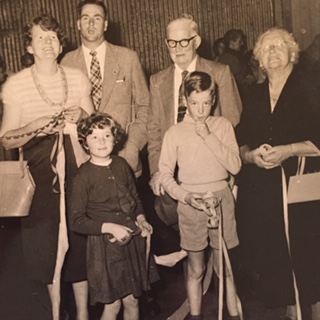
As a small child, I remember the excitement of saying goodbye to my favourite aunt as she boarded a luxury liner from Sydney Harbour, heading to Southampton. She threw a yellow streamer from the upper deck and I eagerly caught it and held on tight, smiling and waving with my other hand. This encounter left an indelible mark on my imagination. Now as an adult, hope for me is the streamer between the ocean liner and the dock. Between me and my future.
 This article first appeared in Your Life Choices on 1st October. https://www.yourlifechoices.com.au/health/your-health/anxiety-is-killing-us-slowly